Optimal Timing for Foundation Repairs
Foundation repairs are most effectively performed when weather conditions are stable and dry. Timing can significantly impact the quality and longevity of repairs, making it essential to choose optimal periods for service. Seasonal factors, soil conditions, and temperature fluctuations influence the success of foundation work.
Spring offers moderate temperatures and less moisture in the soil, ideal for foundation repairs. Early spring allows repairs before the heat of summer or cold of winter.
Warm weather and dry conditions facilitate many repair methods. However, intense heat and drought can cause soil shrinkage, affecting repair stability.
Fall provides cooler temperatures and stable soil moisture, making it a good time for foundation work before winter sets in.
Cold temperatures and potential frost make winter an unsuitable time for most foundation repairs, as frozen soil can hinder excavation and stabilization.

Springtime repairs benefit from moderate weather and manageable soil conditions.
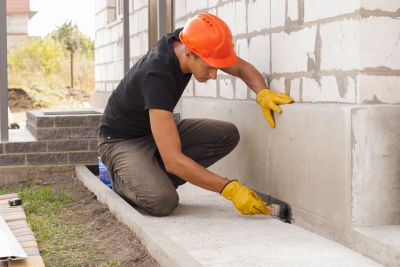
Summer offers warm, dry weather suitable for certain repair methods.

Fall provides cooler temperatures and stable soil moisture for foundation repairs.

Ways to make Foundation Repairs work in tight or awkward layouts.
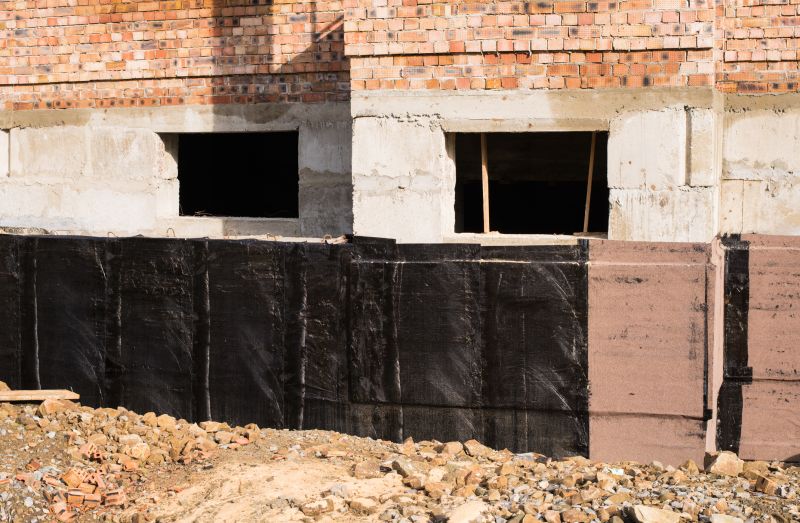
Popular materials for Foundation Repairs and why they hold up over time.

Simple add-ons that improve Foundation Repairs without blowing the budget.
| Season | Suitable for Foundation Repairs |
|---|---|
| Spring | Yes, especially early spring with moderate weather. |
| Summer | Yes, with consideration of heat and soil dryness. |
| Fall | Yes, ideal for stable soil conditions. |
| Winter | No, due to cold temperatures and frozen soil. |
Foundation repairs address issues such as settling, cracking, and shifting that can compromise structural integrity. Proper timing ensures repairs are durable and effective. Soil movement caused by moisture changes, temperature fluctuations, and drought can lead to foundation problems. Recognizing the optimal seasons helps in planning repairs that last and prevent further damage.
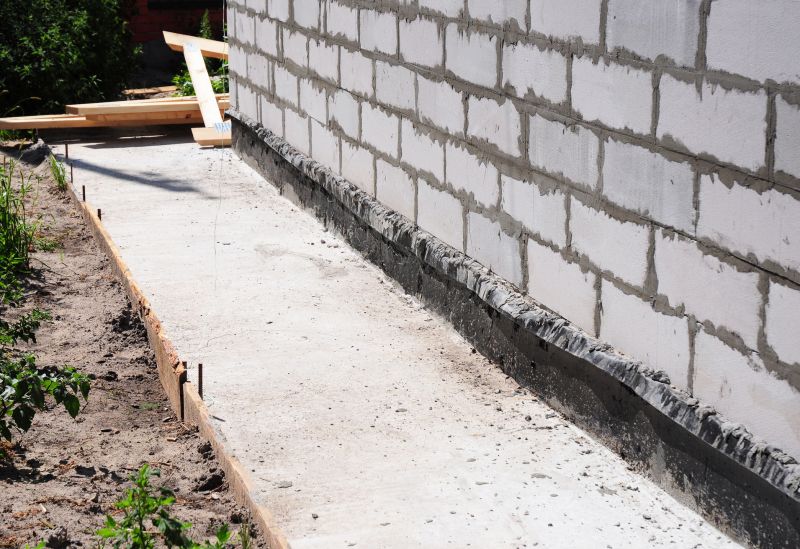
Proper timing ensures effective soil stabilization and repair longevity.
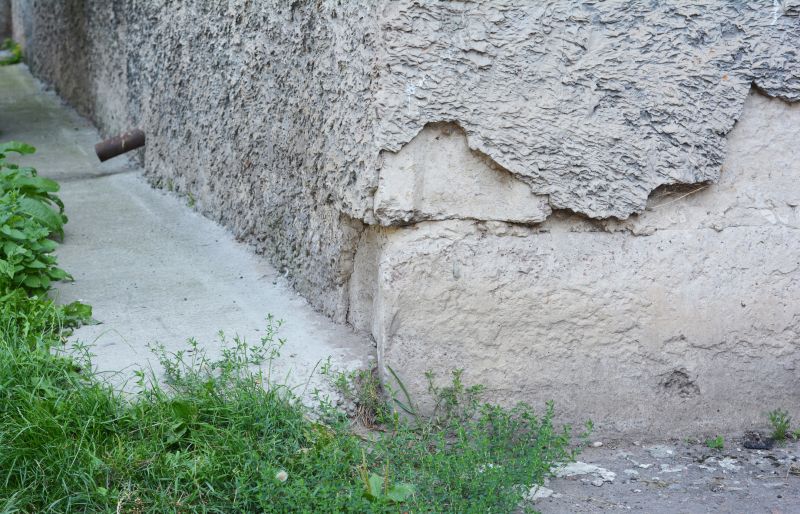
Moisture fluctuations cause soil expansion and contraction, impacting foundations.
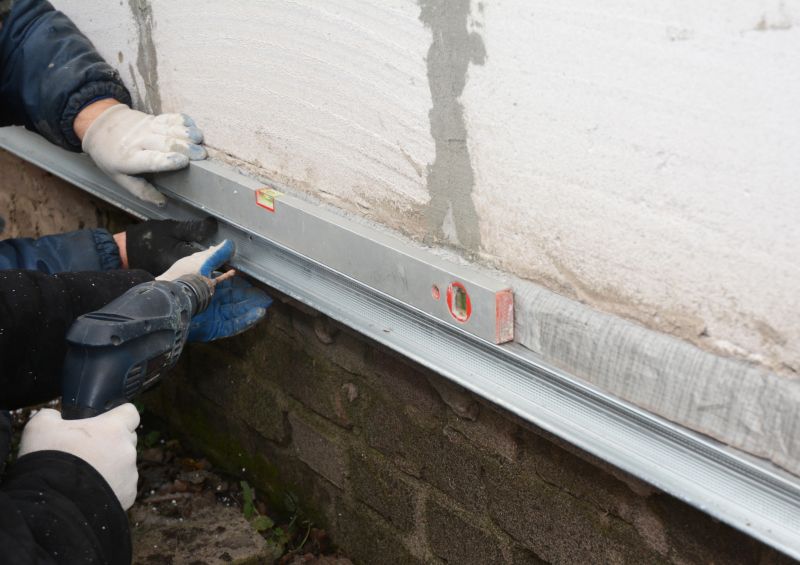
Specialized tools are used to lift and stabilize foundations during optimal weather conditions.
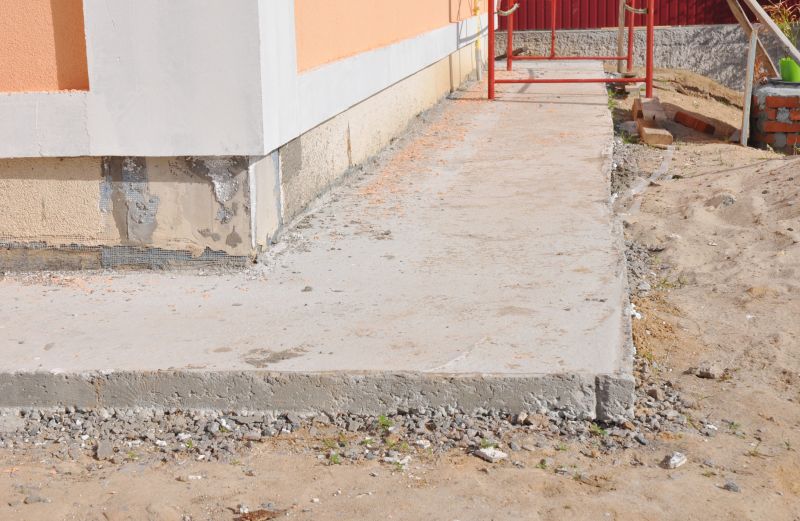
Timely repairs restore structural stability and prevent further damage.
Choosing the right time for foundation repairs can prevent costly future issues. Dry, moderate weather conditions promote better soil compaction and repair effectiveness. Delaying repairs during unfavorable seasons can lead to exacerbated damage and increased costs. Proper planning based on seasonal considerations enhances the durability of foundation solutions.
Cracks in walls, uneven floors, and sticking doors are common indicators of foundation issues.
Regular inspections and addressing minor issues early can prevent major foundation repairs.
Select experienced professionals who understand seasonal impacts on foundation work.
Seasonal timing can influence repair costs, with off-peak seasons often being more economical.
Foundation repairs are crucial for maintaining the safety and value of a property. Understanding the best times to perform these repairs helps ensure they are effective and lasting. Proper assessment and timely intervention can prevent extensive damage and reduce repair costs over the long term.
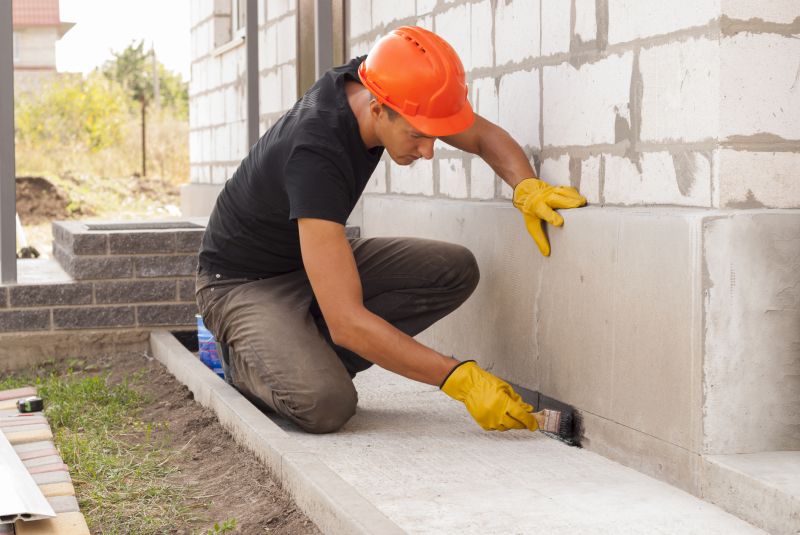
Expertise in timing and techniques ensures durable repairs.
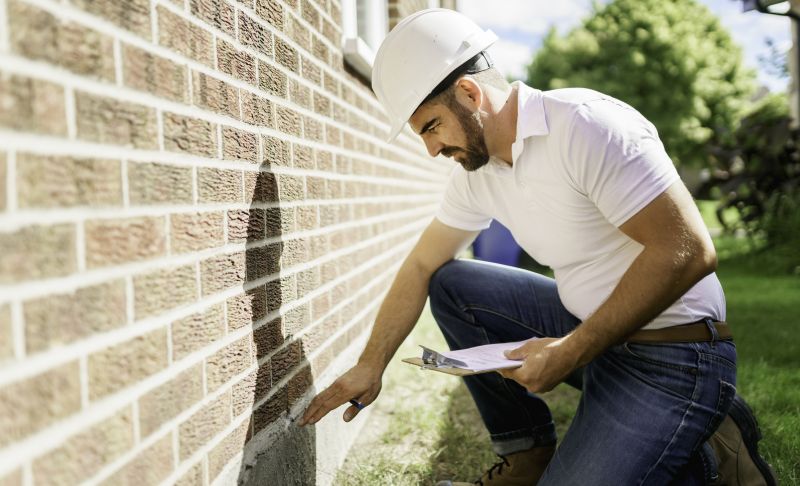
Early detection helps plan repairs during optimal seasons.
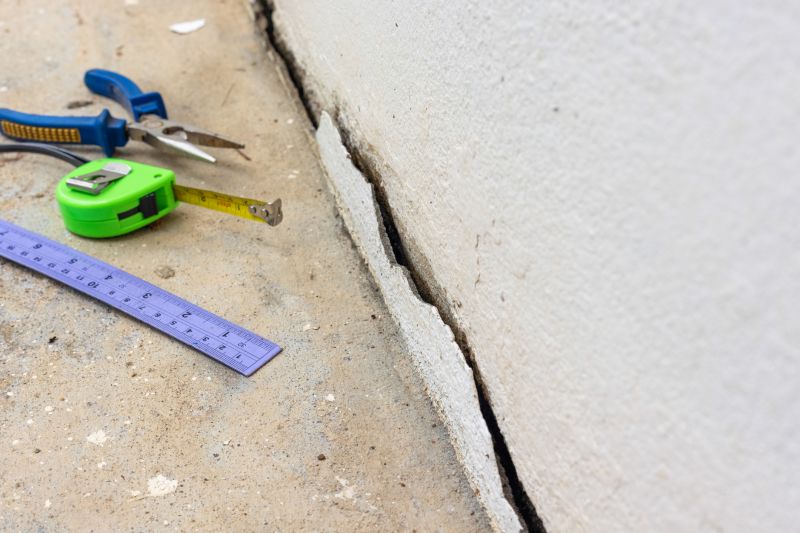
Advanced tools facilitate effective repairs in suitable weather.
Interested property owners are encouraged to contact professionals to discuss timing and repair options. Proper scheduling ensures foundation stability and prevents future structural problems. An assessment of soil conditions and weather patterns can aid in planning effective repairs tailored to specific needs.